
Blog / Service and Repair

Blog

All Service and Repair Toyota National and Worldwide News Toyota Community Events Ardmore Toyota Breaking News Toyota Information Car Maintenance Tips Ardmore Toyota Dealer Fun Facts Sale Events New Toyota Vehicles Ardmore, PA Dealership Information Helpful Tips TV and Radio Commercials Ardmore Toyota Community On the Road Ardmore Toyota Service Auto Show Life in Ardmore Toyota Camry Toyota Crown Toyota RAV4 Plug-in Hybrid Toyota Tundra Toyota bZ4X Toyota Highlander Toyota Prius Toyota RAV4 Toyota SUV Toyota Tacoma 2022 Toyota Camry Hybrid 2023 Toyota Camry 2023 Toyota Highlander 2023 Toyota Sequoia 2025 Toyota Trucks Philadelphia Toyota Dealer Press Release Toyota Crown Signia Toyota Finance Toyota Grand Highlander Toyota Prius Plug-In Hybrid Toyota Sequoia Toyota Sienna Toyota Tacoma i-FORCE MAX Used Toyota
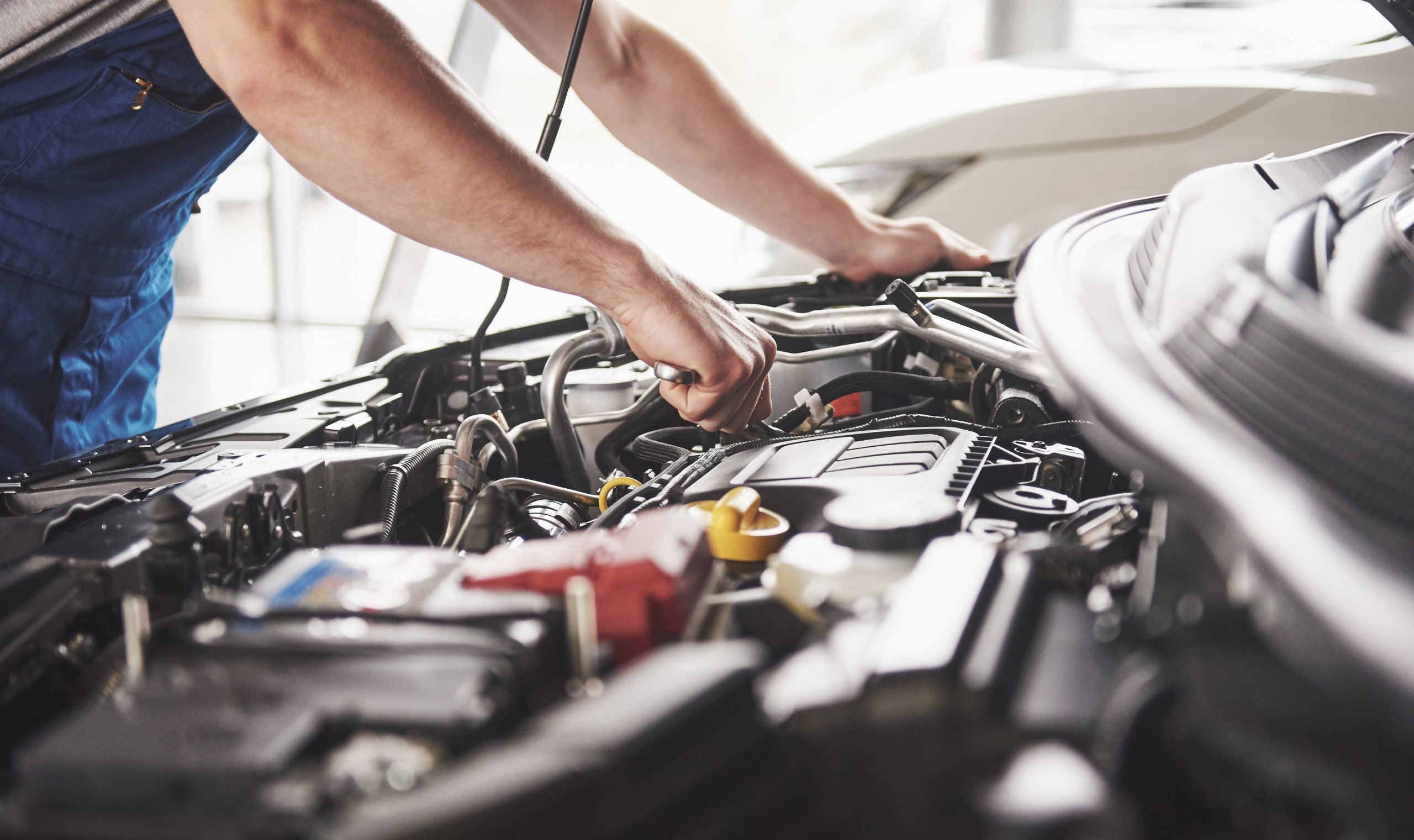
Mechanic inspecting vehicle engine components under hood

Common Toyota Troubleshooting Problems: What Drivers Experience and How to Fix Them

Toyota vehicles are known for their reliability, but even the most dependable cars and trucks can experience issues over time. If you've noticed something unusual with your vehicle, it does not necessarily mean there is a major problem. Understanding common Toyota troubleshooting concerns can help you take the right steps and avoid more costly repairs down the road. For drivers in Ardmore, Pennsylvania, the service center at Ardmore Toyota is available to provide expert diagnostics and support when your vehicle needs professional attention. more Warning Lights: What Your Dashboard Is Telling You One of the most common problems Toyota drivers troubleshoot is an illuminated warning light. The check engine light, oil pressure light, and tire pressure monitoring system light are among the most frequently reported. These lights are your vehicle's way of flagging something that needs attention. A check engine light can indicate anything from a loose gas cap to a more complex sensor issue. Rather than ignoring it, the smart move is to have the vehicle scanned with a diagnostic tool as soon as possible. Addressing warning lights early is almost always less costly than waiting. Battery Problems: Starting Issues and Electrical Glitches Battery-related concerns rank among the most frequently reported common Toyota troubleshooting problems. If your vehicle is slow to start, the headlights appear dim, or you're experiencing intermittent electrical glitches, the battery may be the culprit. Toyota batteries typically last 3 to 5 years depending on usage and climate. Extreme temperatures can accelerate wear. A simple battery test at your dealership's service center can confirm whether a replacement is needed before you're left stranded unexpectedly. Brake Noise: Squealing and Grinding Unusual brake sounds are another area that falls under common Toyota troubleshooting problems. Squealing often points to worn brake pads, while grinding can signal that the pads have worn down completely and metal is contacting the rotor. Brake noise should never be ignored. Even occasional squealing warrants an inspection, your brake performance is directly tied to your safety. Routine brake checks during scheduled maintenance can help catch wear before it becomes a more serious, and expensive, problem. Transmission Hesitation: Sluggish or Delayed Shifts Some Toyota drivers report transmission hesitation, particularly when accelerating from a stop or when the vehicle shifts between gears. This can feel like a brief pause, a slight shudder, or a delay in response. These symptoms are part of a broader category of common Toyota troubleshooting problems that often benefit from early attention. Transmission fluid condition plays a significant role here. Old or low fluid can affect how smoothly the transmission operates. In some cases, a software update from the manufacturer may also address shift quality. A certified technician can evaluate the transmission and recommend the appropriate service. Staying on Top of Routine Maintenance Many common Toyota problems can be prevented or minimized with consistent maintenance. Following the recommended service intervals for oil changes, fluid checks, tire rotations, and filter replacements keeps your vehicle running as it should. Toyota's ToyotaCare plan covers initial factory-scheduled maintenance and includes 24-hour roadside assistance, giving new vehicle owners added peace of mind right from the start. If you notice any of these issues with your vehicle, the best next step is to schedule a service appointment with a qualified Toyota technician. Visit Ardmore Toyota for Expert Service When a common Toyota problem comes up, having a trusted service team can make all the difference. Instead of trying to troubleshoot issues on your own, the certified technicians at Ardmore Toyota can help diagnose and address concerns ranging from warning lights and battery issues to brake noise and transmission hesitation. Drivers in Ardmore, PA, can count on our service team for expert care designed to help keep their Toyota performing the way it was built to.

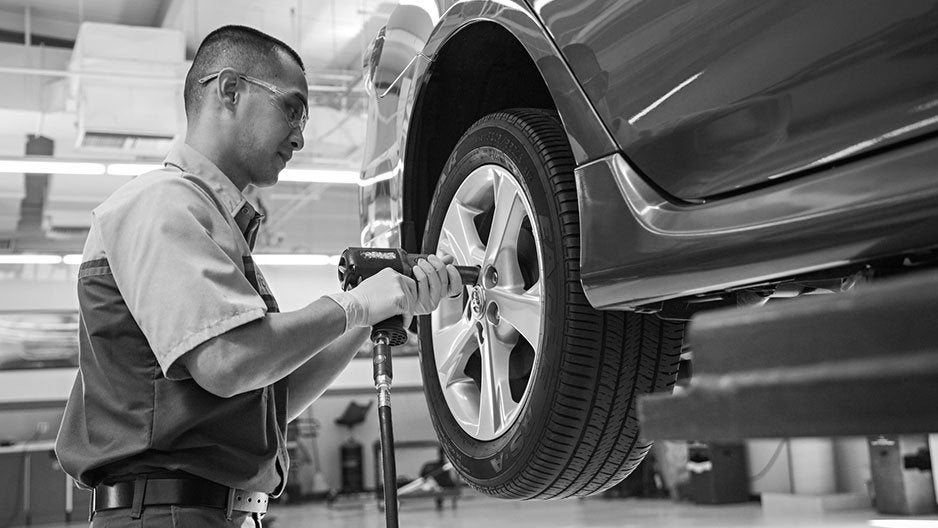
Technician tightening wheel lug nuts

Tire Safety: What Every Toyota Driver Should Know

Tires rarely get the attention they deserve. They're not as visible as a touchscreen, as exciting as a new powertrain, or as noticeable as the latest driver-assistance technology. Yet every aspect of your Toyota's performance depends on four contact patches connecting your vehicle to the road. At Ardmore Toyota, tire inspections are among the most important services drivers can schedule because tire condition influences everything from braking performance and ride quality to fuel efficiency and overall safety. more Why Tires Matter More Than You Think Modern vehicles are packed with advanced safety technology, but those systems can only work with the traction available. Features such as Toyota Safety Sense™, Vehicle Stability Control, and Anti-lock Braking Systems are designed to help drivers maintain control in challenging situations. However, even the most advanced technology relies on properly maintained tires to perform effectively. That's why tire condition remains one of the most important factors affecting vehicle safety. Good tires help maximize traction, improve stopping performance, and provide the predictable handling drivers expect from their Toyota. Understanding Tire Ratings Every tire includes information designed to help consumers make informed decisions. Among the most important ratings are treadwear, traction, and temperature resistance. These measurements provide insight into how a tire is designed to perform under different driving conditions. Treadwear ratings offer a general indication of expected longevity. Traction grades evaluate wet-road performance, while temperature ratings measure a tire's ability to handle heat generated during operation. While these ratings shouldn't be the only factor when choosing replacement tires, they provide valuable information when comparing available options. The Value of Regular Tire Inspections Routine tire inspections can reveal potential concerns long before they become significant problems. Checking tread depth remains one of the simplest and most effective ways to evaluate tire condition. As tread wears down, a tire becomes less capable of channeling water away from the road surface, reducing traction during wet weather. Drivers should also inspect sidewalls for cracks, cuts, bulges, or other visible signs of damage. Uneven tread wear may indicate alignment or suspension concerns that deserve professional attention. For drivers throughout Ardmore, Bryn Mawr, Havertown, Wynnewood, and the surrounding Main Line communities, seasonal weather changes can place additional demands on tire performance, making regular inspections even more important. Tire Pressure Is a Bigger Deal Than Most Drivers Realize Few maintenance items have a greater impact on tire life than proper inflation. Underinflated tires can wear prematurely, reduce fuel efficiency, and generate excess heat. Overinflated tires may affect ride comfort and contribute to uneven wear patterns. Toyota provides recommended tire pressure specifications for every model, and those guidelines are designed to balance comfort, efficiency, and performance. Checking tire pressure regularly helps ensure your vehicle continues to perform as intended. Fortunately, modern Toyota models include Tire Pressure Monitoring Systems that help alert drivers when pressure drops below recommended levels. Choosing the Right Tire for Your Toyota Not every tire is designed for the same purpose. A Toyota Tacoma used for weekend adventures has different tire requirements than a Camry used primarily for commuting. Similarly, a family-focused Highlander® places different demands on its tires than a Prius. Following Toyota's recommended tire specifications helps preserve ride quality, handling characteristics, braking performance, and overall vehicle safety. When replacement time arrives, choosing a tire that matches your driving habits and local road conditions is just as important as choosing the correct size. Keep Your Toyota Ready for Every Season Drivers throughout Ardmore, Philadelphia's Main Line, Delaware County, and Montgomery County can count on the team at Ardmore Toyota for tire inspections, rotations, balancing, alignments, and replacement recommendations. A professional tire inspection today can help ensure your Toyota is ready for whatever the road brings tomorrow.

A Toyota air vent that needs winter service in Ardmore, PA

Heating Service for Your Toyota This Winter

As the temperatures drop in Ardmore, PA, ensuring your Toyota's heating system is in top shape becomes essential for both comfort and safety. Winter driving is challenging enough without the added discomfort of a malfunctioning heater. Whether you're gearing up for long commutes or quick errands, now is the perfect time to prioritize heating service for your Toyota this winter. Why Heating Service Is Essential for Winter When the cold weather hits, your Toyota's heating system does more than just keep you warm. A properly functioning heater also helps to defrost and dehumidify your windshield, ensuring clear visibility on frosty mornings. Over time, components like the heater core, blower motor, and thermostat can wear out or become less efficient, which may compromise your Toyota's performance. more Investing in professional heating service for your Toyota this winter ensures that every drive, whether around Ardmore, PA, or farther afield, is comfortable and safe. Regular maintenance reduces the risk of unexpected breakdowns and extends the lifespan of key heating components. Signs Your Toyota Needs Heating Service It's important to recognize the warning signs that your Toyota's heating system may need attention. Here are a few common symptoms to watch for: Weak or No Heat Output: If your cabin isn't warming up as it used to, it could indicate a problem with your heater core, thermostat, or coolant levels. Unusual Odors: A musty or burning smell when you turn on the heat may be caused by mold in the system or overheating components. Foggy Windows That Won't Clear: This could mean your defroster isn't working effectively, often tied to heating system issues. Noisy Operation: A loud or rattling sound from the vents could signal a problem with the blower motor or its fan. If you notice any of these issues, don’t delay—schedule a heating service appointment with a trusted local provider. What to Expect During a Heating Service Appointment When you bring your Toyota in for heating service, certified technicians will perform a thorough inspection and address any potential issues. Key steps typically include: Checking coolant levels and inspecting for leaks. Testing the thermostat and heater core for proper functionality. Inspecting and cleaning the blower motor and vents. Ensuring the defroster and climate control system are operating efficiently. At Ardmore Toyota, we understand the unique needs of Toyota vehicles and use OEM-approved techniques and parts to ensure your heating system performs optimally throughout the colder months. Benefits of Professional Heating Service for Your Toyota While DIY maintenance might seem appealing, professional heating service offers significant advantages. Certified Toyota technicians have the expertise and tools to diagnose issues accurately and provide solutions tailored to your vehicle. Additionally, using genuine Toyota parts ensures compatibility and reliability. Heating service for your Toyota this winter not only enhances your driving experience but also protects your vehicle’s value. By addressing minor issues before they escalate, you can avoid costly repairs down the line and enjoy peace of mind during the harshest weather conditions. Schedule a Service Online Today Don't let a faulty heater leave you out in the cold this season. Scheduling heating service for your Toyota this winter is a proactive step toward ensuring comfort, safety, and efficiency on the road. For drivers in Ardmore, PA, Ardmore Toyota is your trusted partner for expert care and maintenance. Visit Ardmore Toyota to book your service appointment today and stay warm all winter long!

How to Check Your Car's Oil Level – A Step-by-Step Guide

Maintaining your car's health starts with the service basics, and one of the simplest yet most essential tasks is checking your oil level. This small action can help prevent costly repairs and ensure your vehicle runs smoothly. For drivers in Ardmore, PA, understanding how to check your car's oil level is key to keeping your car in optimal condition. Why Checking Your Oil Level Is Important Your car's engine relies on oil to function efficiently. Oil lubricates the engine's moving parts, reduces heat produced by friction, and helps maintain overall performance. However, if the oil level gets too low or becomes dirty, it can lead to engine damage or even complete failure. Knowing how to check your car's oil level consistently ensures that you're always ahead of potential issues. more For residents of Ardmore, PA, where seasonal temperature changes can affect your car's performance, monitoring your oil level is especially important for year-round reliability. What You Need Before Checking Your Oil Before you start, make sure you have the following items ready: A clean rag or paper towel. A flat surface to park your car. Adequate lighting to see the oil dipstick clearly. Having these essentials on hand simplifies the process and makes your oil check quick and efficient. Now, let’s dive into the step-by-step guide. Step-by-Step Guide to Checking Your Car's Oil Level Park Your Vehicle on a Flat Surface Ensure your car is parked on a level surface and turn off the engine. Allow the engine to cool for at least 10 minutes to get an accurate oil reading. Locate the Oil Dipstick Open the hood of your car and find the oil dipstick. It’s typically located near the engine and has a brightly colored handle, often yellow or orange, making it easy to spot. Remove and Clean the Dipstick Pull out the dipstick and wipe it clean using your rag or paper towel. This removes any old oil residue, giving you a clear reading when you reinsert it. Reinsert the Dipstick and Remove Again Place the dipstick back into its tube and push it all the way down. Then, pull it out again to check the oil level. Look at the markings on the dipstick, which indicate the minimum and maximum oil levels. Assess the Oil Level and Condition If the oil level is between the minimum and maximum marks, you're good to go. If it’s below the minimum mark, you’ll need to add oil. Additionally, check the oil's color and consistency. Clean oil should be amber or light brown, while dirty oil may appear dark and gritty. Add Oil if Necessary If your oil level is low, add the recommended oil type for your vehicle as specified in your owner’s manual. Pour slowly and recheck the level to avoid overfilling. By following this step-by-step guide, you can confidently check your car's oil level and ensure your engine stays in top shape. Additional Tips for Maintaining Your Oil To extend the life of your engine, consider these oil maintenance tips: Change your oil at regular intervals as recommended by your vehicle’s manufacturer. Check your oil level every month or before long road trips. Use high-quality oil and filters to protect your engine. These proactive steps can save you time and money while keeping your car running smoothly. Contact Us for Help or Schedule Service Knowing how to check your car's oil level is a crucial skill every driver should have. This simple task can save you from costly repairs, improve your vehicle's performance, and give you peace of mind on the road. Whether you're a new driver or a seasoned one in Ardmore, PA, taking a few minutes to monitor your car's oil can make all the difference. Keep your vehicle running smoothly, and if you need assistance, Ardmore Toyota is here to help!

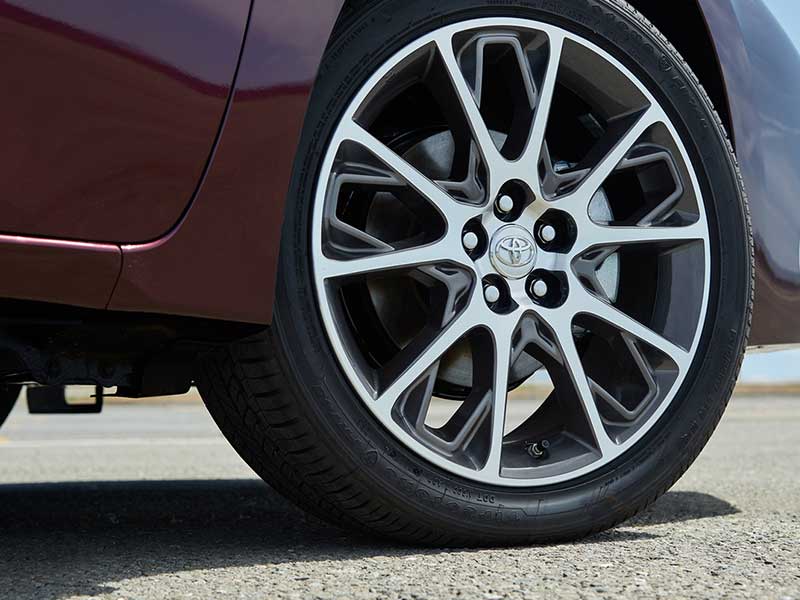
Close up view of a Toyota tire and wheel

Toyota Tire Maintenance: How to Extend the Life of Your Tires

Your Toyota's tires are vital in ensuring your safety and providing a smooth, comfortable ride. Neglecting proper tire maintenance can lead to reduced performance, increased fuel costs, and costly replacements. Discover six ways to maximize your tires' life span and enhance your vehicle's safety. more Monitor Tire Pressure Regularly Proper tire pressure isn't just about comfort. It's necessary for safety and fuel efficiency. Underinflated tires can cause uneven wear, which reduces fuel economy and a higher risk of blowouts. Overinflated tires can give you a rougher ride and reduced traction. Check your tire pressure using a reliable gauge at least once a month or before long trips. Compare the reading to the recommended pounds per square inch listed in your Toyota owner's manual. Maintaining the correct pressure extends tire life and improves handling and braking. Rotate Tires for Even Wear Tires wear out unevenly over time. Front tires bear more weight and endure greater stress during turns, leading to faster wear. To counteract this, rotate your tires every 5,000 to 7,500 miles — or as recommended in your Toyota owner's manual. Rotating your tires ensures even tread wear, which improves performance and prolongs their life span. Regularly rotating your tires also saves you money and enhances your vehicle's balance and safety on the road. Check for Tread Wear Tread depth is an important indicator of tire health. Worn-out treads reduce traction, especially in wet or icy conditions, and increase stopping distances. Check for tread wear indicators — small bars visible as the tread wears down. Use the following simple method to measure tread wear: Insert a penny into the tread with President Lincoln's head facing downward. If you can see all of his head, it's time to replace your tires. Monitoring the tread depth is essential for maintaining grip and overall safety. Align and Balance Your Tires Misaligned or unbalanced tires can cause uneven wear, shaking, and poor handling. Alignment ensures that your wheels are positioned correctly relative to the road. Balanced tires also prevent uneven weight distribution. Signs of misalignment or imbalance include: Uneven tread wear Pulling to one side while driving Vibrations in the steering wheel Schedule an alignment and balancing check during routine maintenance or if you notice these symptoms. Choose the Right Tires for Your Driving Conditions Selecting the right tires for your environment and driving style can significantly impact their life span. All-season tires offer a balance of performance in various conditions, while winter tires provide superior grip in snow and ice. Performance tires prioritize handling and grip in dry conditions. Refer to your Toyota's manual or a reliable tire expert to select tires that match your requirements and driving style. Inspect Sidewalls and Schedule Timely Replacements Regularly check your tires' sidewalls for cracks, cuts, or bulges, indicating damage or impending failure. These visible issues should be addressed immediately to avoid safety risks. Most experts recommend replacing tires every six years, regardless of the tread depth, as the rubber degrades over time. Get Expert Tire Service at Ardmore Toyota By following these tire maintenance tips, you can extend the life of your Toyota's tires, improve safety, and save money. If you're due for a tire inspection, rotation, or replacement, the expert service team at Ardmore Toyota is here to help. Be sure to check out our latest service specials for savings on tire maintenance and other essential services!

Contact Us

Fill out this form below and we'll contact you shortly
*Required Fields