


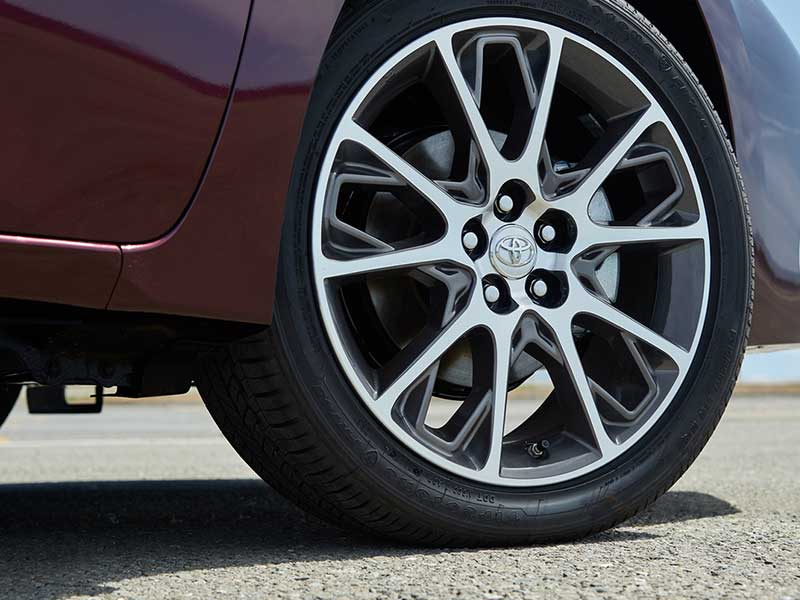
Your Toyota’s tires are vital in ensuring your safety and providing a smooth, comfortable ride. Neglecting proper tire maintenance can lead to reduced performance, increased fuel costs, and costly replacements. Discover six ways to maximize your tires’ life span and enhance your vehicle’s safety.
Monitor Tire Pressure Regularly
Proper tire pressure isn’t just about comfort. It’s necessary for safety and fuel efficiency. Underinflated tires can cause uneven wear, which reduces fuel economy and a higher risk of blowouts. Overinflated tires can give you a rougher ride and reduced traction.
Check your tire pressure using a reliable gauge at least once a month or before long trips. Compare the reading to the recommended pounds per square inch listed in your Toyota owner’s manual. Maintaining the correct pressure extends tire life and improves handling and braking.
Rotate Tires for Even Wear
Tires wear out unevenly over time. Front tires bear more weight and endure greater stress during turns, leading to faster wear. To counteract this, rotate your tires every 5,000 to 7,500 miles — or as recommended in your Toyota owner’s manual.
Rotating your tires ensures even tread wear, which improves performance and prolongs their life span. Regularly rotating your tires also saves you money and enhances your vehicle’s balance and safety on the road.
Check for Tread Wear
Tread depth is an important indicator of tire health. Worn-out treads reduce traction, especially in wet or icy conditions, and increase stopping distances. Check for tread wear indicators — small bars visible as the tread wears down. Use the following simple method to measure tread wear:
- Insert a penny into the tread with President Lincoln’s head facing downward.
- If you can see all of his head, it’s time to replace your tires.
Monitoring the tread depth is essential for maintaining grip and overall safety.
Align and Balance Your Tires
Misaligned or unbalanced tires can cause uneven wear, shaking, and poor handling. Alignment ensures that your wheels are positioned correctly relative to the road. Balanced tires also prevent uneven weight distribution. Signs of misalignment or imbalance include:
- Uneven tread wear
- Pulling to one side while driving
- Vibrations in the steering wheel
Schedule an alignment and balancing check during routine maintenance or if you notice these symptoms.
Choose the Right Tires for Your Driving Conditions
Selecting the right tires for your environment and driving style can significantly impact their life span. All-season tires offer a balance of performance in various conditions, while winter tires provide superior grip in snow and ice. Performance tires prioritize handling and grip in dry conditions. Refer to your Toyota’s manual or a reliable tire expert to select tires that match your requirements and driving style.
Inspect Sidewalls and Schedule Timely Replacements
Regularly check your tires’ sidewalls for cracks, cuts, or bulges, indicating damage or impending failure. These visible issues should be addressed immediately to avoid safety risks. Most experts recommend replacing tires every six years, regardless of the tread depth, as the rubber degrades over time.
Get Expert Tire Service at Ardmore Toyota
By following these tire maintenance tips, you can extend the life of your Toyota’s tires, improve safety, and save money. If you’re due for a tire inspection, rotation, or replacement, the expert service team at Ardmore Toyota is here to help. Be sure to check out our latest service specials for savings on tire maintenance and other essential services!
Connect with us


