Blog / Car Maintenance Tips

4 Reasons to Consider Getting Winter Tires

winter-tires-3198543_640
Replacing tires can seem like a cumbersome and expensive event, costing car owners hundreds of dollars. It is even worse when it is an unexpected expense. It is never recommended to wait until the last minute to get new tires and drivers should most certainly avoid driving around with a donut for more than 70 miles. The harsh weather of the winter increases the wear and tear on car tires, making it even more important to monitor their ability to withstand the season. Many people may put it off, but here are a few reasons why purchasing tires designed for winter weather might be advantageous.

Quick Brake

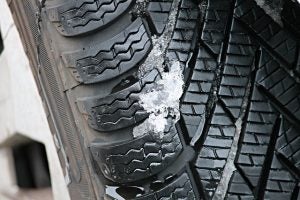
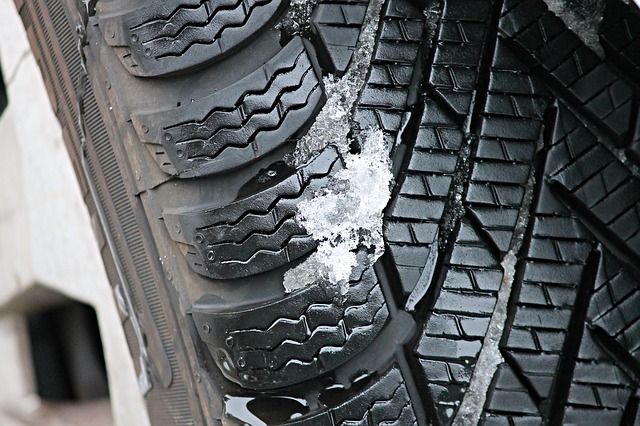
The winter terrain is not to be taken lightly. Along with winter comes the potential for more ice, and in some regions, many inches of snow. Winter tires will help drivers to navigate among rough terrain and keep them safe. The unique tread is designed to enable vehicles to stop safely while driving down slippery roads. The tires themselves may cost a little more, but it is well worth it.

Get a Grip

Winter tires are also made with a special rubber that allows them to grip the road more efficiently. According to Auto Blog, this flexible rubber maintains its agility on the road. While other tires may harden as a result of the cold weather, these tires become more formless to fit the landscape. This is also an important safety feature.

Be Prepared

Certain regions are more likely to have winters with large amounts of snow and ice. These are the areas where winter tires have the most impact. Drivers who frequent the roads daily during the winter months can minimize their risk by making a small investment. Top of the line tires may be purchased for $160 to $200 per tire. Although this amount seems substantial, the benefit of being prepared far outweighs the potential for car damage or replacement.

Multiple Uses

The greatest thing about winter tires is that they can be removed and replaced. Many buyers mount winter tires around September and store them after the winter season has ended. The reason for this is the fact that many cars exceed their tread capabilities during the winter months. This leaves way for many risky road trips. Smart drivers can minimize this risk and improve safety by deciding to replace their tires throughout the year. This may seem like an unnecessary task, but it will help to prevent the stress that comes along with filing insurance claims and paying deductibles.

Option or Necessity

When all of the pros and cons are considered, it is easy to decide that winter tires are a necessity. It is worth the extra expense each year and should be a part of the car maintenance budget. This will allow families to enjoy the good things about the winter like holiday shopping, family dinners, and vacation travel. The car will be able to safely maneuver through any kind of weather, and the ability to feel safe and sound during the most exciting time of the year is indeed priceless.   image via Pixabay

Posted in:

Related Posts

washing-car-1397382_640

Spring Cleaning Car Tips

Spring is the perfect time to renew, refresh, and clean. Make your vehicle feel new again by adding it to your spring cleaning checklist. There are plenty of easy and inexpensive ways to clean out and organize your car. Clean the Exterior Say goodbye to the dirt, grime, debris, and salt that winter brought to your vehicle by giving your car a thorough exterior washing. Use a pressure washer to remove dirt and debris that can scratch the surface, and then clean with a product formulated specifically for washing your car's surface. Once it's been thoroughly washed and dried, apply a wax or paint-protecting product to help repel more dust and keep your car beautiful throughout the spring months. Vacuum and Clean Mats Gravel, dirt, and more can accumulate on the floors of your vehicle, so spring is a great time to refresh them. If you have all-weather or other water-resistant floor mats, remove them completely and clean them with warm water and a gentle scrub brush. Hose them off and allow them to dry while you thoroughly vacuum the interior seats and floors. Get into cracks and crevices as well as you can. Replace mats once they are dry. Clean Leather or Upholstery If you have leather seating, use a conditioning leather cleaner to thoroughly clean seats and other leather areas. If you have cloth seats, you can use an upholstery spot cleaner to clean any spots that might have become dirty or stained over the winter. Rinse the area to prevent dirt from collecting on the soap residue. Clean Other Interior Surfaces Wipe down other interior surfaces using a cleanser specifically for your interior — or another mild cleanser diluted with water. Rinse and dry when done. Use window cleaner to add a shine to the interior glass. Don't forget to check the trunk for forgotten belongings, and clean that area, too. Don't Forget Maintenance Don't neglect proper maintenance just because the warmer weather is around the bend. Check standard maintenance items like fluid levels, tire pressure, and wiper blades, then look for any problems like loose hoses or leaks. Organize Essentials on Backs of Seats There are many things you may need to have on hand for everyday life or for travel, but they can quickly clutter up your vehicle. Place hanging shower or shoe pockets on the backs of sets to easily organize essentials like sanitizer, a first aid kit, tissues, spare phone chargers, restaurant coupons, and anything else you normally need. Use Everyday Items to Help You Organize You don't have to spend money on fancy organizers to get your car in shape for spring. Cover a plastic gum dispenser container with pretty or fabric and use it as an easy-to-dispense change holder. Keep plastic bags organized and handy for trash by stashing them in an empty tissue box. A plastic shower caddy can be used to organize items like kids toys and snacks or oil and other fluids. Take the time to spring clean your car and reorganize the interior. You spend a lot of time in your car, so why not make it peaceful, clean, and less cluttered? You'll drive happier after a good cleaning. Image via Pixabay

snow-storm-1192790_640

How to Protect Your Wheels and Tires During Winter

Winter time, especially in the more northern states like Pennsylvania, can be tough on cars. As a caring car owner, you're probably looking for ways to protect your beloved vehicle throughout these harsher months, so that you can cruise right on into the spring without a hitch. Your wheels and tires should be a part of your winter maintenance list, so here's how you can keep them protected this season. Wax Your Wheels Regularly Road salt, dirt, and grime can cling to your chrome wheels and cause them to erode and rust. Much like the body of your car, your wheels can be waxed to protect against this specific type of damage. Use a chrome-friendly product to coat your wheels in wax when they are clean. After you've applied the wax, you'll find that dirt and salt can be rinsed right off your wheels. more Just be sure to wax and clean your wheels regularly, as even dried salt can cause continued damage to this part of your car. High-pressure hoses can be used to blast away this grime, providing your wheels with the ultimate protection. Have Your Tires Aligned Disguised potholes, snow piles, and other winter hazards can cause the alignment of your tires to get out of whack. When this happens, your car can tend to lean or pull to one side, thus causing the tires on one side of your car to wear faster than the others. In order to prevent this from happening, you can have your tires aligned by a professional. You'll find that your car is better balanced, and you can drive that much more safely this winter. Keep Your Tire Pressure In-Check Lower temperatures can cause the air pressure in your tires to go down. Not only does this decrease the fuel efficiency of your car, but it can also cause your tires to wear faster as they have more contact with the road. Most cars have electronic tire pressure displays, which makes the task of keeping your tire pressure in check that much easier. However, an old fashioned tire pressure gauge can always help you determine whether or not your tires have enough air in them. Double-check the suggested tire pressure of your vehicle by locating this information on the inside of your driver door panel or in your car's manual. Use the Appropriate Tires for the Season It can be difficult to protect all-season tires from winter weather simply because they are not built specifically for that type of driving condition. Secure your car with the appropriate winter or snow tires, and keep a set of tire chains in your vehicle just in case. Doing so will better protect the longevity of your tires as well as increase your own safety. With these tips, you should be able to protect your wheels and tires from the unforgiving winter weather. When the weather starts to warm back up, have your winter tires changed out for your summer or all-season set. Also be sure to visit your local mechanic to ensure your car is safe to drive after enduring the snow season. Image via Pixabay

car-791092_640

How to Protect Your Toyota's Paint in Winter

Whether you lease or outright own your Toyota, chances are, you want to keep your beloved car looking good throughout the wintery season. The cold weather and all that comes with it can be harsh on many aspects of the vehicle, including the paint job. The following tips can help you protect your Toyota's finish in the winter, so that your car can keep looking as good as new. Protecting Against Road Salt When there's snow and ice, there's also road salt. This substance can be your paint job's worst enemy, as it tends to cling to the car and doesn't seem to ever go away. In order to protect your vehicle from road salt, add a layer of polymer wax to your car's exterior the next time you have it washed. more This extra layer provides a shield between your Toyota's paint job and that pesky road salt. Be advised to still keep your car clean throughout the winter, which you'll find much easier when you've used wax. The Benefits of Pressure Washing Every so often, you can consider pressure washing your vehicle during the winter. Yes, the wax will protect against salt and grime, but that doesn't mean these substances won't cake onto your vehicle. Pressure washing will blast away this dirt, warding off rust and erosion in even the most hard-to-reach places, such as your car's undercarriage and wheel wells. After pressure washing, of course, be sure to add a new layer of wax for continued protection. Dry Your Car Thoroughly It would be difficult to keep your Toyota dry after every snowfall, but you should dry the exterior thoroughly after washing. Otherwise, that hard water will sit on the surface of your vehicle, which could be bad for your paint job as it could leave behind water spots. Use rags that are 100 percent cotton or sheepskin, as materials like microfiber and polyester can actually scratch your car. Be Careful When Removing Snow and Ice Clearing ice off of your windshield and blankets of snow off of your car every morning can become tedious, but it is important to your paint job that you do so carefully. Consider using soft bristled brushes or even foam brushes to remove snow and avoid scratching your car. Proceed with caution when using an ice scraper on your windows, as well. You wouldn't want to slip and scratch your car's exterior. The Wonders of Spot Cleaning After a long or particularly rough drive, don't be afraid to spot clean your vehicle. Wash away road salt near your wheels, wipe off spots that are caked in icy mud, so on and so forth. After spot cleaning, you can use a spray-on wax to protect these same areas. Once the snow clears once and for all, and the weather starts to warm back up, consider having your vehicle detailed by a professional. This will ensure that there are no remaining deposits of grime from the winter that will silently erode away your car's finish. You can drive on into spring in a flawless Toyota. Image via Pixabay